


Nov 27, 2025
Phlox pannocchiuta (Phlox paniculata L., Polemoniaceae)

seen from United States

seen from United States

seen from Singapore
seen from Argentina
seen from China

seen from China

seen from India
seen from China

seen from United States

seen from Russia

seen from Vietnam

seen from United States

seen from Russia

seen from Russia
seen from Russia

seen from China
seen from Malaysia

seen from Russia
seen from China

seen from Vietnam
Phlox pannocchiuta (Phlox paniculata L., Polemoniaceae)

Anya is live and ready to show you everything. Watch her strip, dance, and perform exclusive shows just for you. Interact in real-time and make your fantasies come true.
Free to watch • No registration required • HD streaming

Phlox subulata / Moss Phlox

Purple part 4: Bluebowls (Giliastrum rigidulum)

#1898 - Collomia grandiflora - Grand Collomia
Also known as Large-flowered Mountain Trumpet, and like the Lupins previously, an introduced ornamental in NZ. It wouldn’t surprise me at all if the seeds were deliberately spread around Lake Takapō, or at least along the road and around the tourist bus stops.
Native to the western parts of North America, this member of the Phlox family usually grows in sandy soils, reaching about one meter in height. It has blue pollen and sticky seeds.

Gilia tricolor, kirjokiurunkukka
Anya is live and ready to show you everything. Watch her strip, dance, and perform exclusive shows just for you. Interact in real-time and make your fantasies come true.
Free to watch • No registration required • HD streaming

Showy Jacob’s Ladder, Polemonium pulcherrimum (Polemoniaceae). 🌿🌸#polemonium #polemoniumpulcherrimum #polemoniaceae #plants #botany #plantid #plantphotography #naturephotography (at Leavenworth, Washington) https://www.instagram.com/p/BxurCBZFs8E/?igshid=yxr0dc1ecvf4

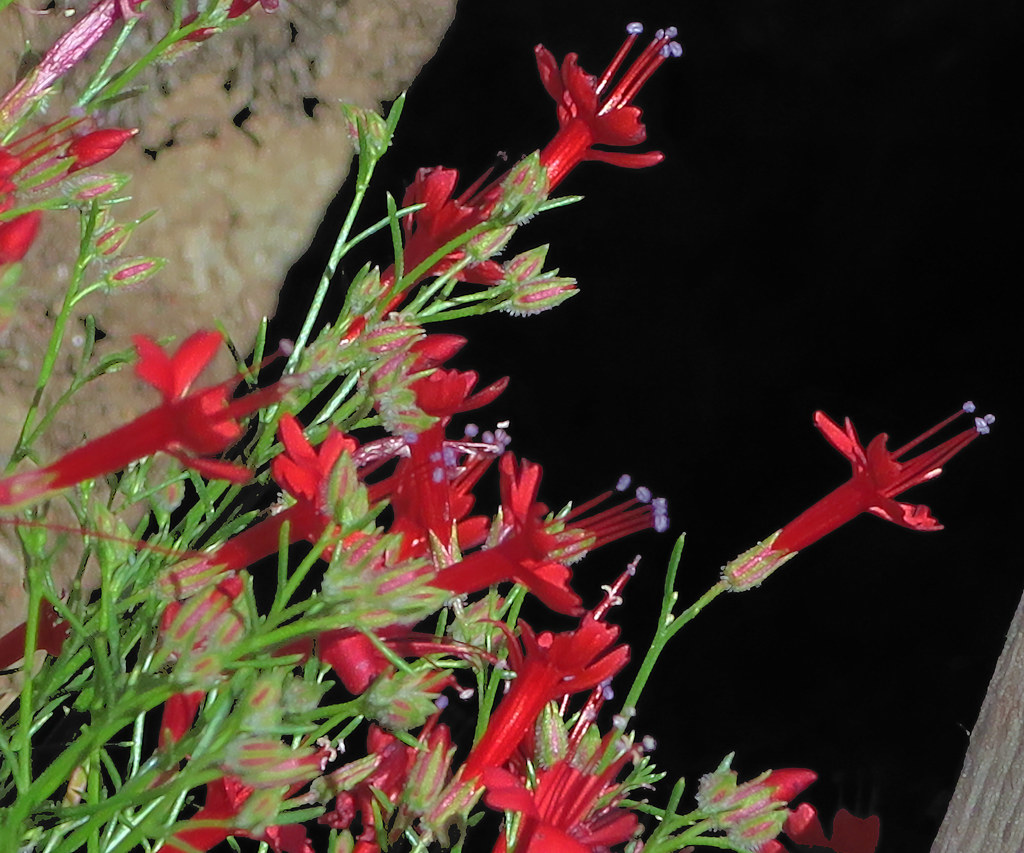
J20160623-0092—Ipomopsis tenuifolia—RPBG by John Rusk Via Flickr: Ipomopsis tenuifolia—Slenderleaf skyrocket. The species is included in the CNPS Inventory of Rare and Endangered Plants on list 2B.3 (rare, threatened, or endangered in CA; common elsewhere). It has a California State Rank of S2. There are just a small number of populations in San Diego and Imperial counties not far north of the border. Luckily, the plant is much wider spread in northern Baja California. The exserted stamens and style help identify this species. Photographed at Regional Parks Botanic Garden located in Tilden Regional Park near Berkeley, CA.

Beautiful and vibrant stand-cypress on the Black Bayou NWR roadsides on my way to the observation deck.